Hōju Matcha · Your everyday matcha ritual · Shipping within Spain
Hōju Matcha

Origin

Matcha begins with a leaf someone patiently cared for.

This page brings together real photographs from the supplier to tell, calmly and without unnecessary embellishment, how tea travels from a Japanese field to the bowl: shade, harvest, tencha, milling and ritual.

Process

From cultivation to fine powder: a story that takes its time.

I like to explain matcha from this starting point because it makes it more real: it is not a green trend or a pretty drink for a photograph. It is a leaf grown with purpose and transformed with tremendous care.

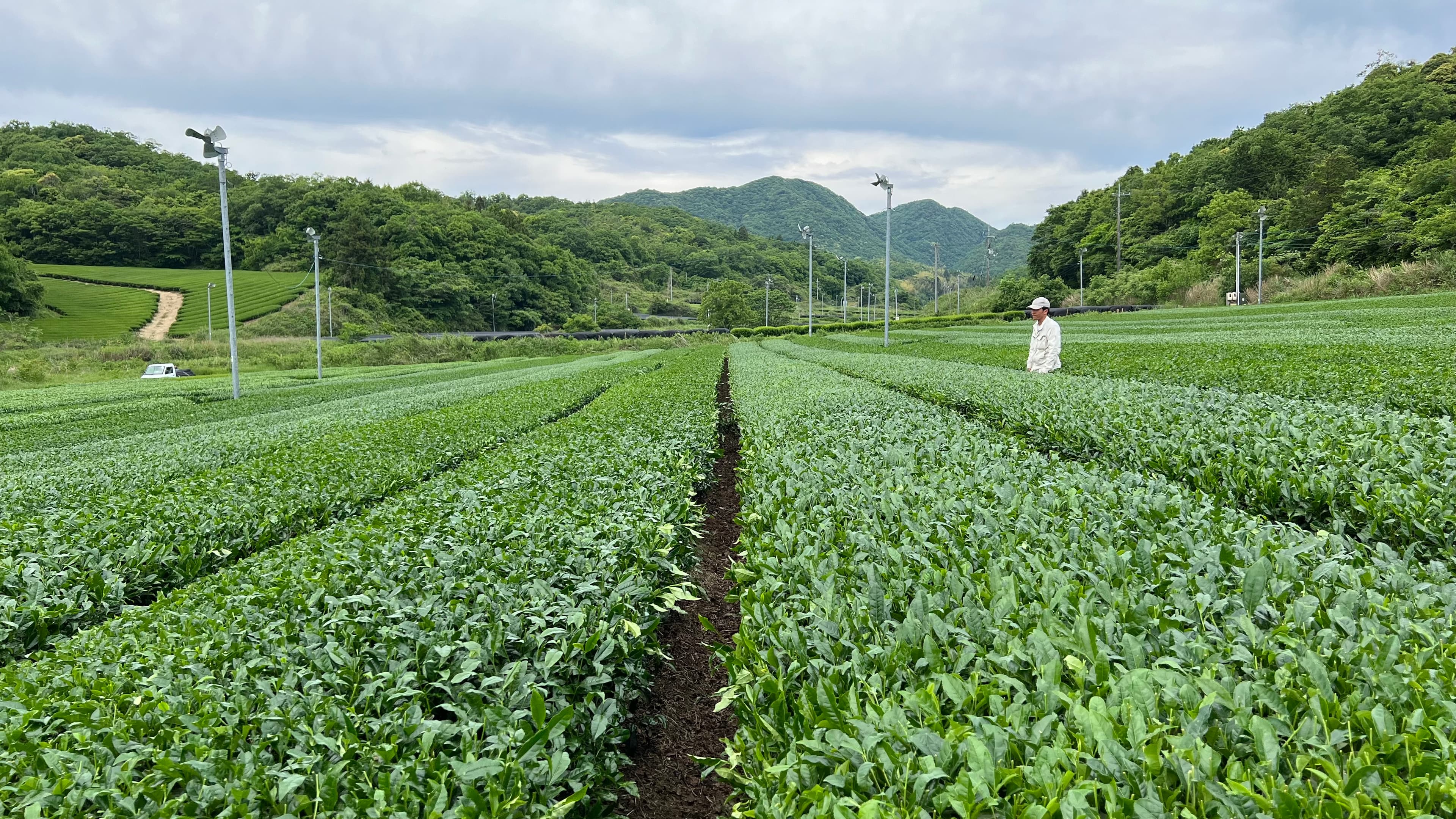
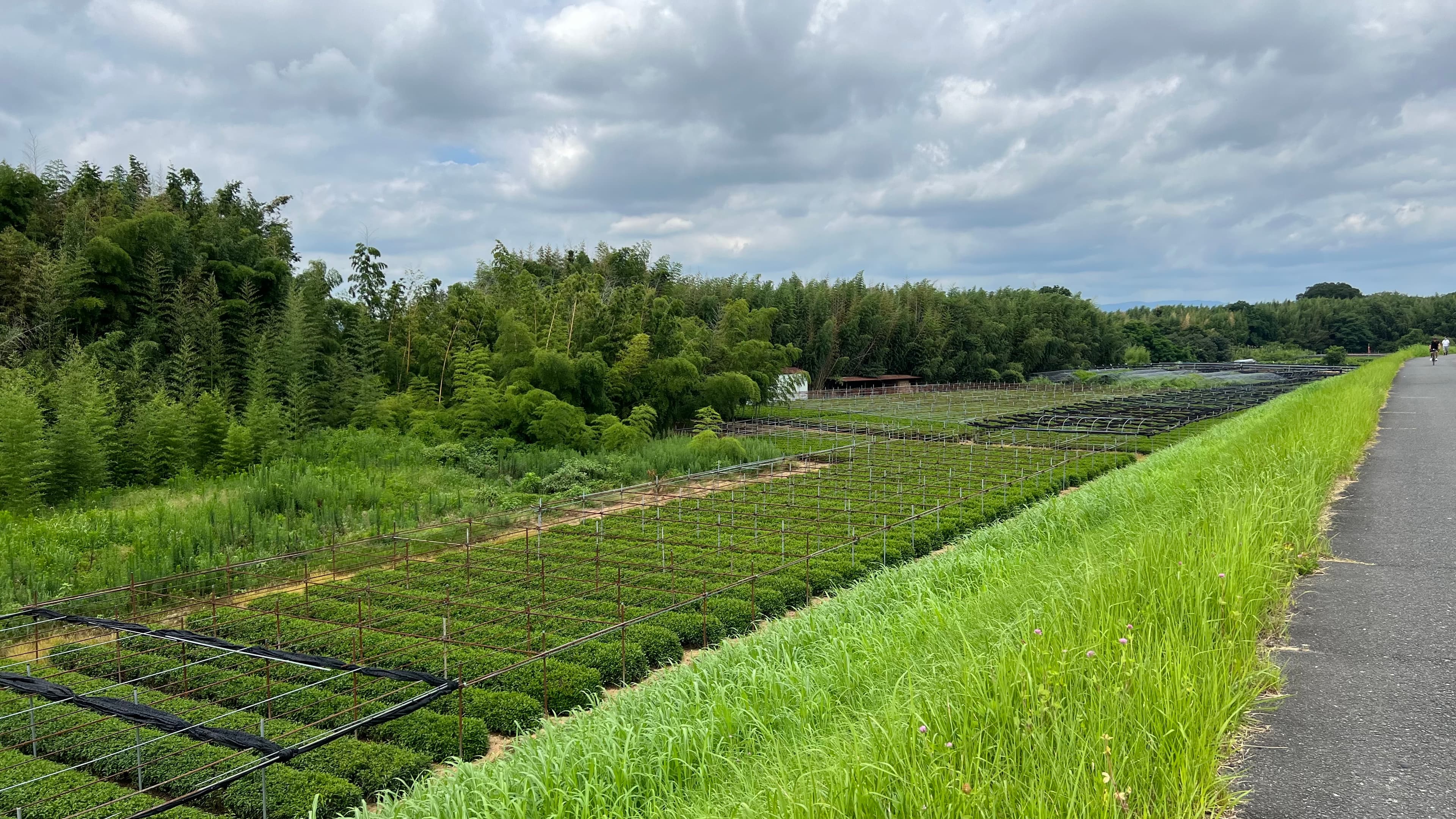
The supplier’s Japanese tea field

Pictured: the supplier’s tea field. This first stage reminds us that colour, aroma and umami begin in the leaf, not in the packaging.

01 · The field

It all begins long before the first sip.

Before becoming that fine green powder, matcha is a living leaf growing in a field. I like to start here because it is the most honest part of the process: soil, light, moisture, patience and hands that know when to wait. Good matcha cannot be improvised at the end; its care begins with the plant.
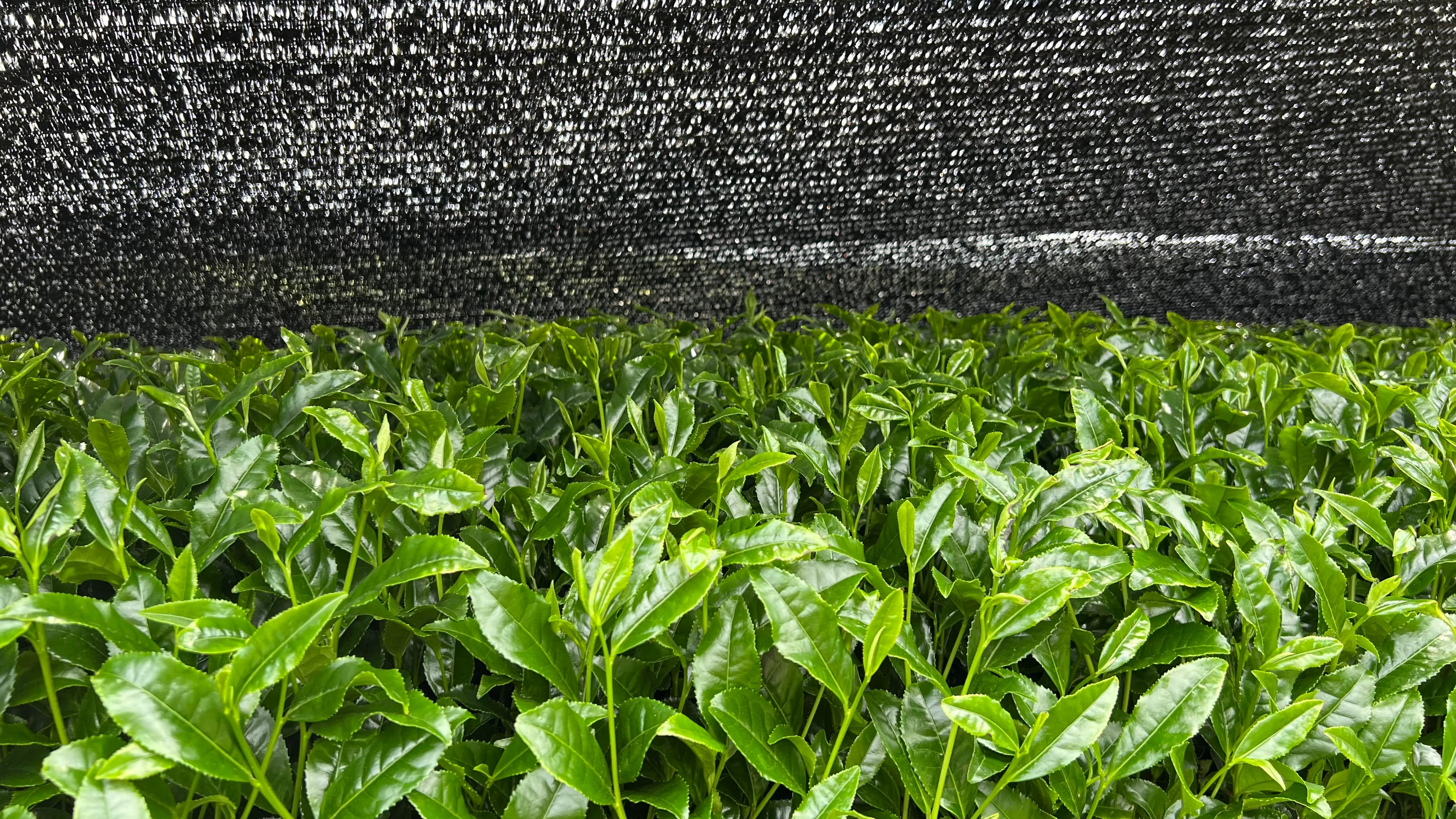
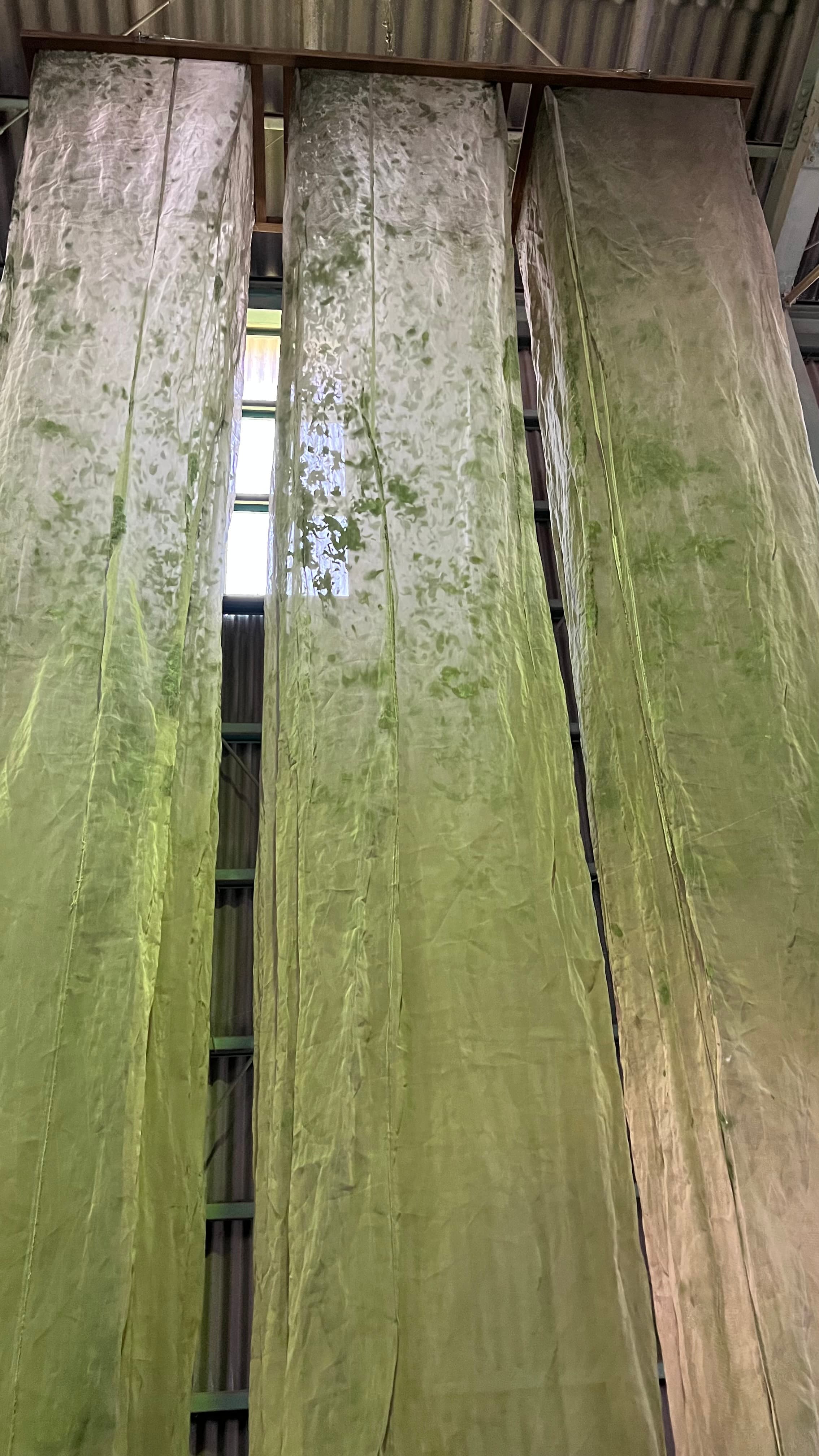
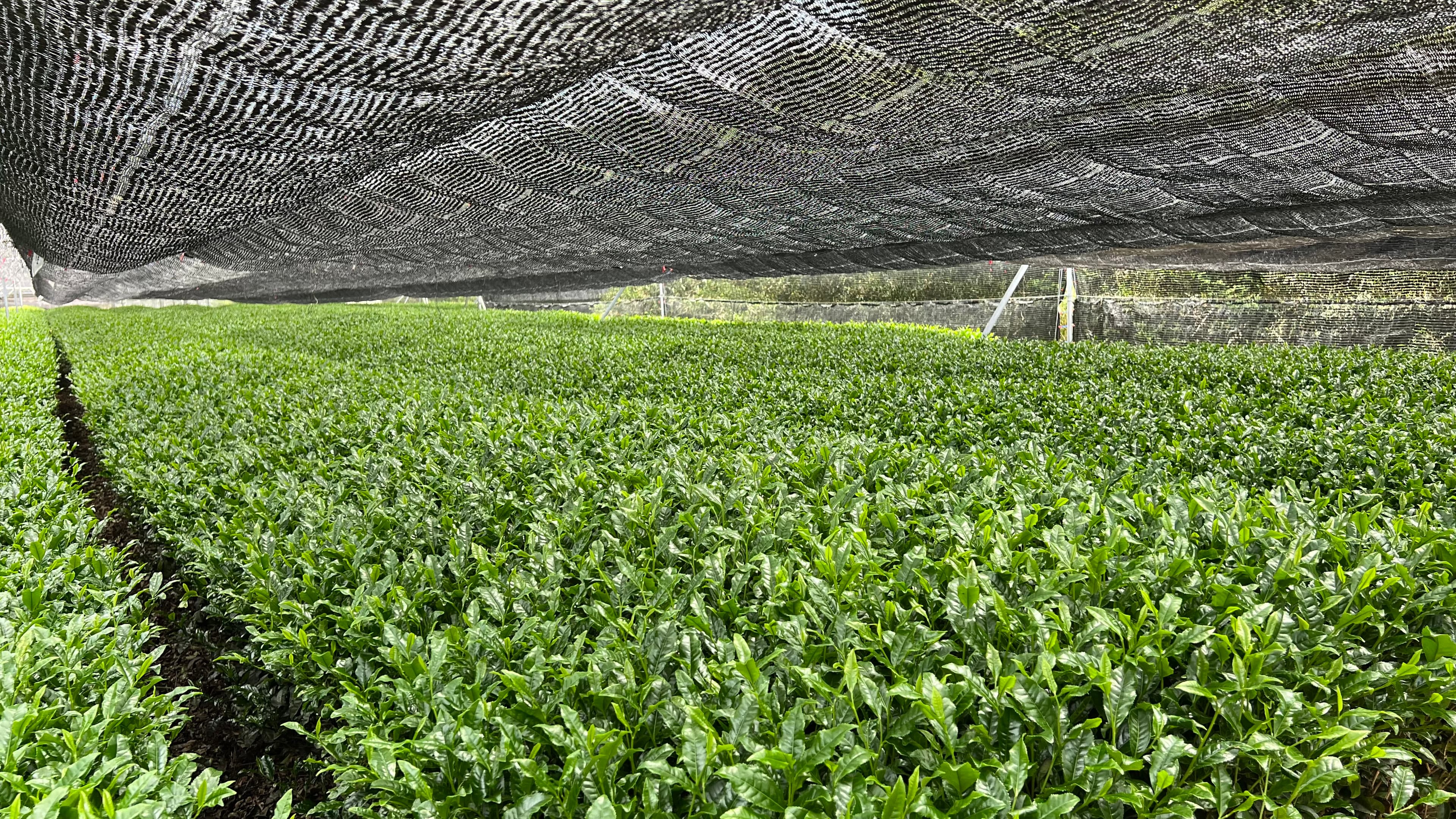
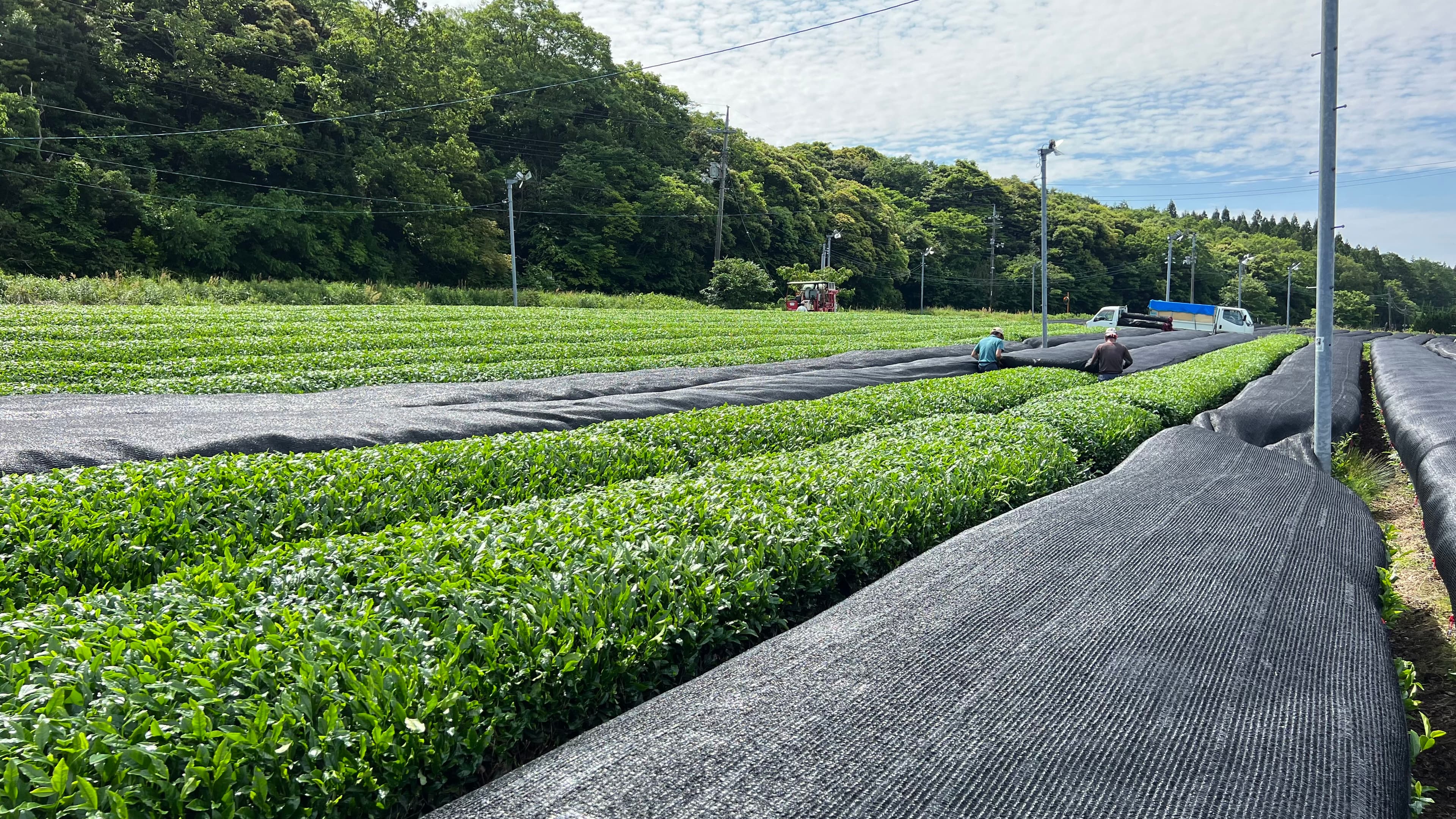
Tea leaves beneath shading nets

Pictured: tea beneath shading nets. Shade is part of the search for the softness, vivid colour and umami we associate with quality matcha.

02 · The shade

Covering the tea does not hide it: it protects its character.

One of the loveliest things about matcha is the way the leaf is cared for by controlling the light. During part of cultivation, plants are covered with nets to soften direct sunlight. This helps preserve a more intense green and a deeper, sweeter, rounder profile.

Tea harvesting in the field

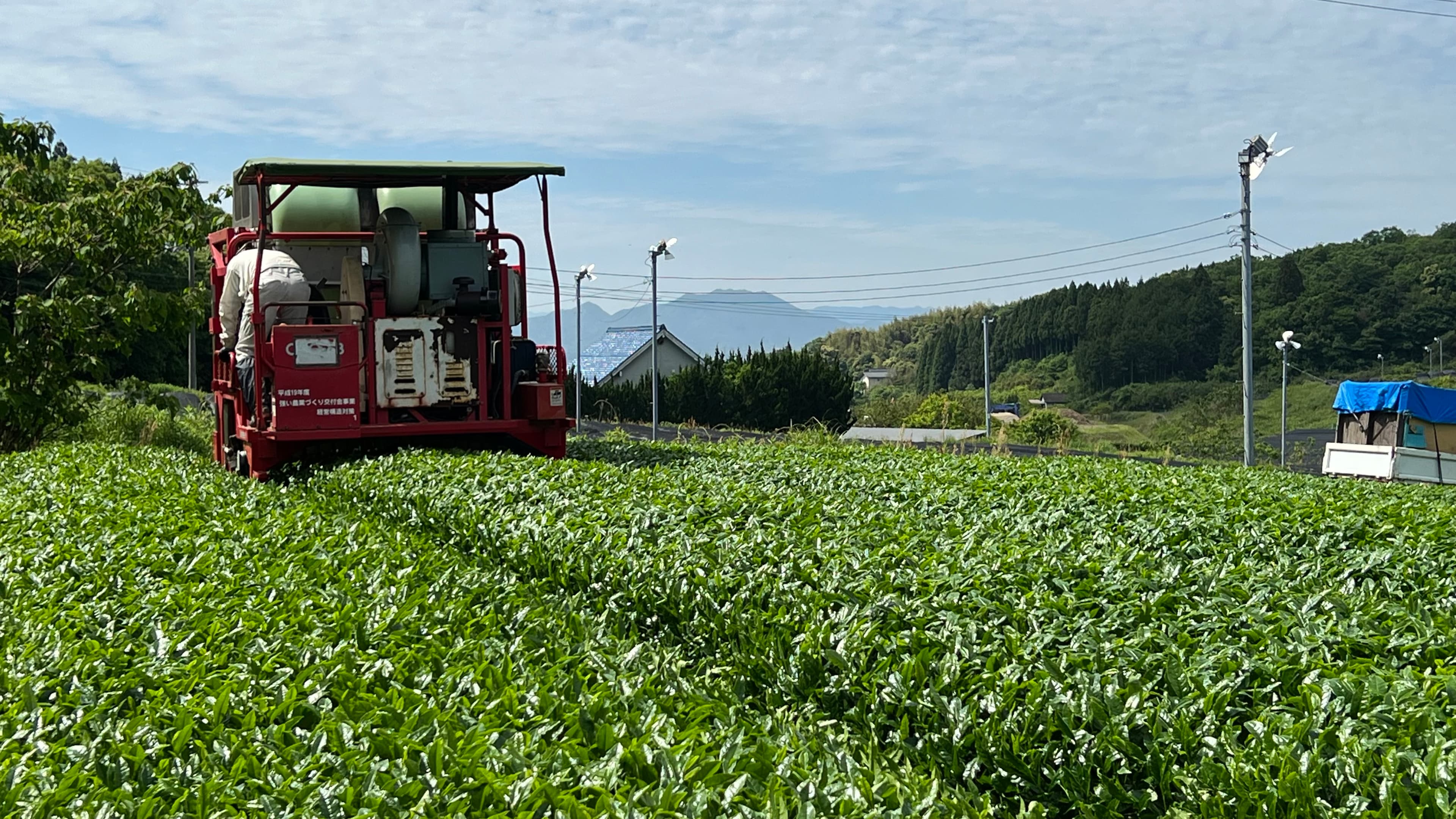
Pictured: harvesting in the field. This stage aims to preserve freshness and quality before the leaf is processed.

03 · The harvest

The leaf is harvested once it has told its part of the story.

Harvesting is a delicate moment. It is not just about cutting leaves: it is about choosing the moment when the plant is ready for the next step. In Japan, even when machinery is used, the process retains something deeply artisanal: observing, adjusting and respecting the rhythm of the field.

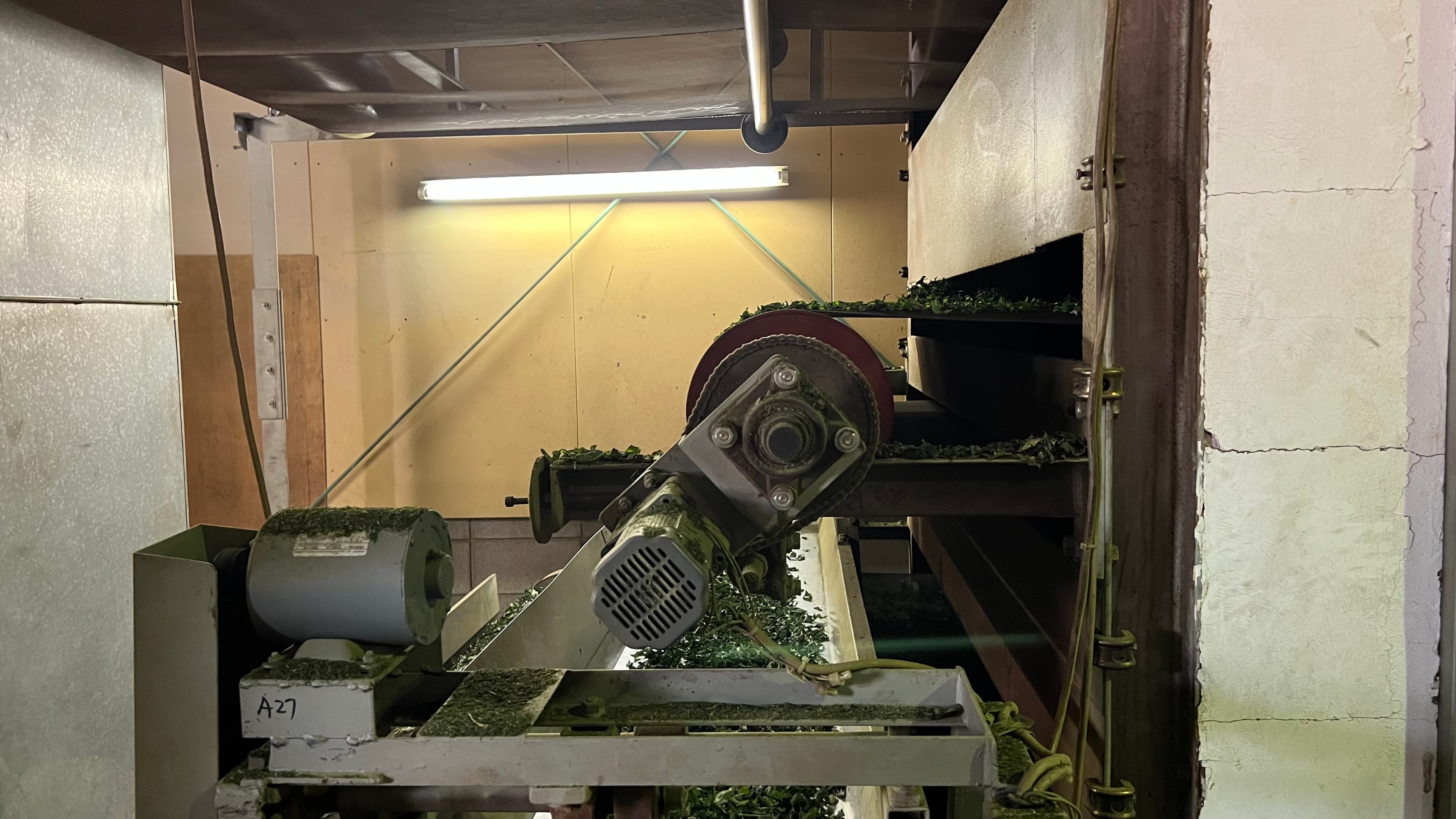
Tea drying process

Pictured: the drying and processing stage. Tencha is the prepared leaf before milling; it is not simply crushed green tea.

04 · Tencha

Before becoming matcha, the leaf must become tencha.

Here the tea changes pace. After harvesting, the leaf is stabilised, dried and prepared to become tencha: the true base of matcha. This part is less famous than the final whisking, but it is essential. Without good tencha, there is no elegant cup.

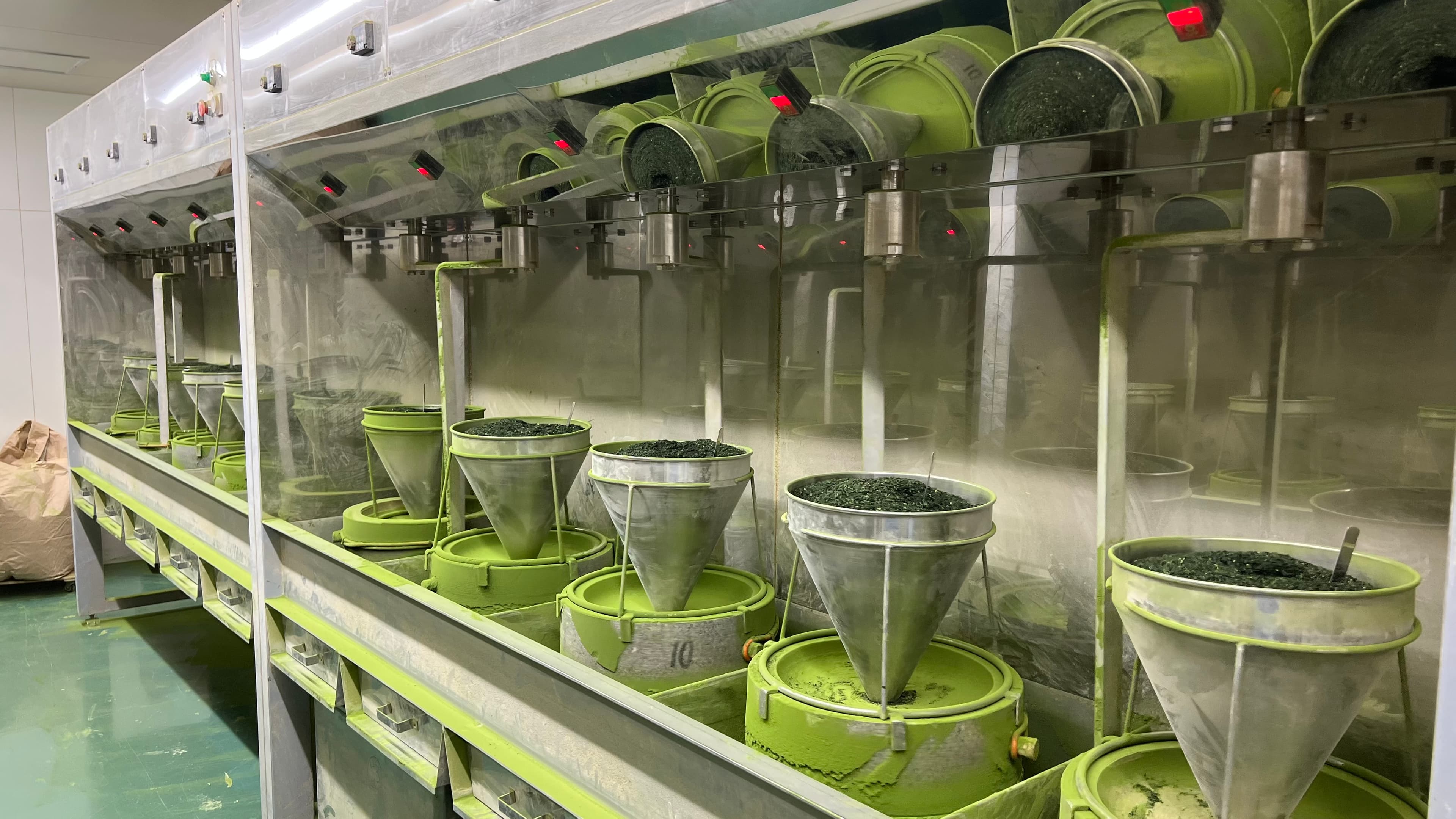
Tea milling for matcha

Pictured: tea milling. The fineness of the powder influences its texture, foam and the way matcha blends when whisked.

05 · Milling

The leaf slowly becomes powder, almost as if lowering its voice.

Milling turns tencha into matcha. It is a beautiful step, transforming a whole leaf into an exceptionally fine texture that can stay suspended in water and create that silky feeling as you drink. The finer and more carefully prepared the powder, the more beautiful the ritual becomes.

Supplier gallery

Photographs to see the tea before you drink it.

Not every photograph needs to explain something complicated. Some simply take us back to the origin: a leaf, a net, someone at work, a field shaped by the light.

Japanese tea field
The supplier’s tea field. A simple image, but a powerful one for me: before the ritual come agriculture, climate and patience.
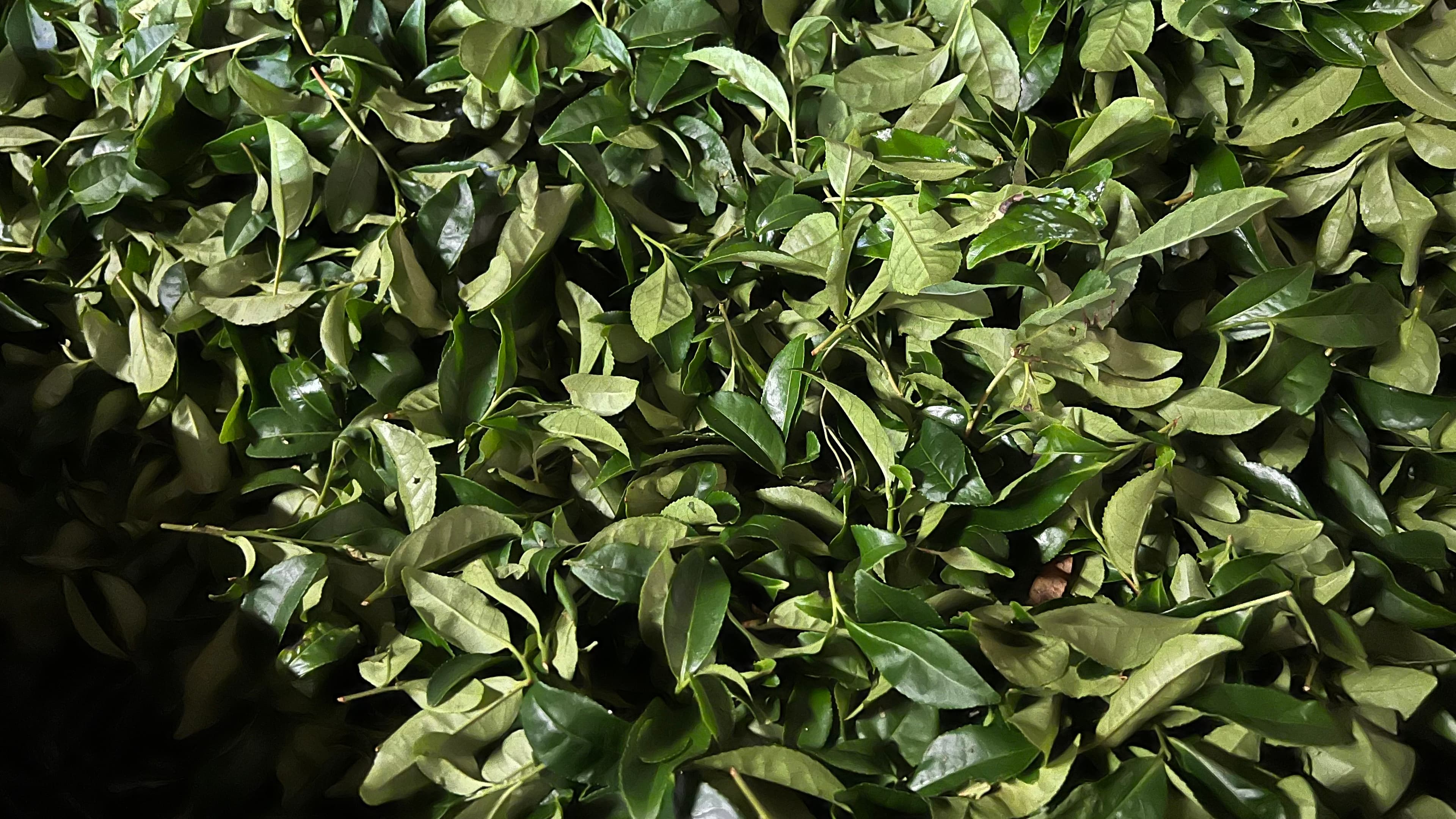
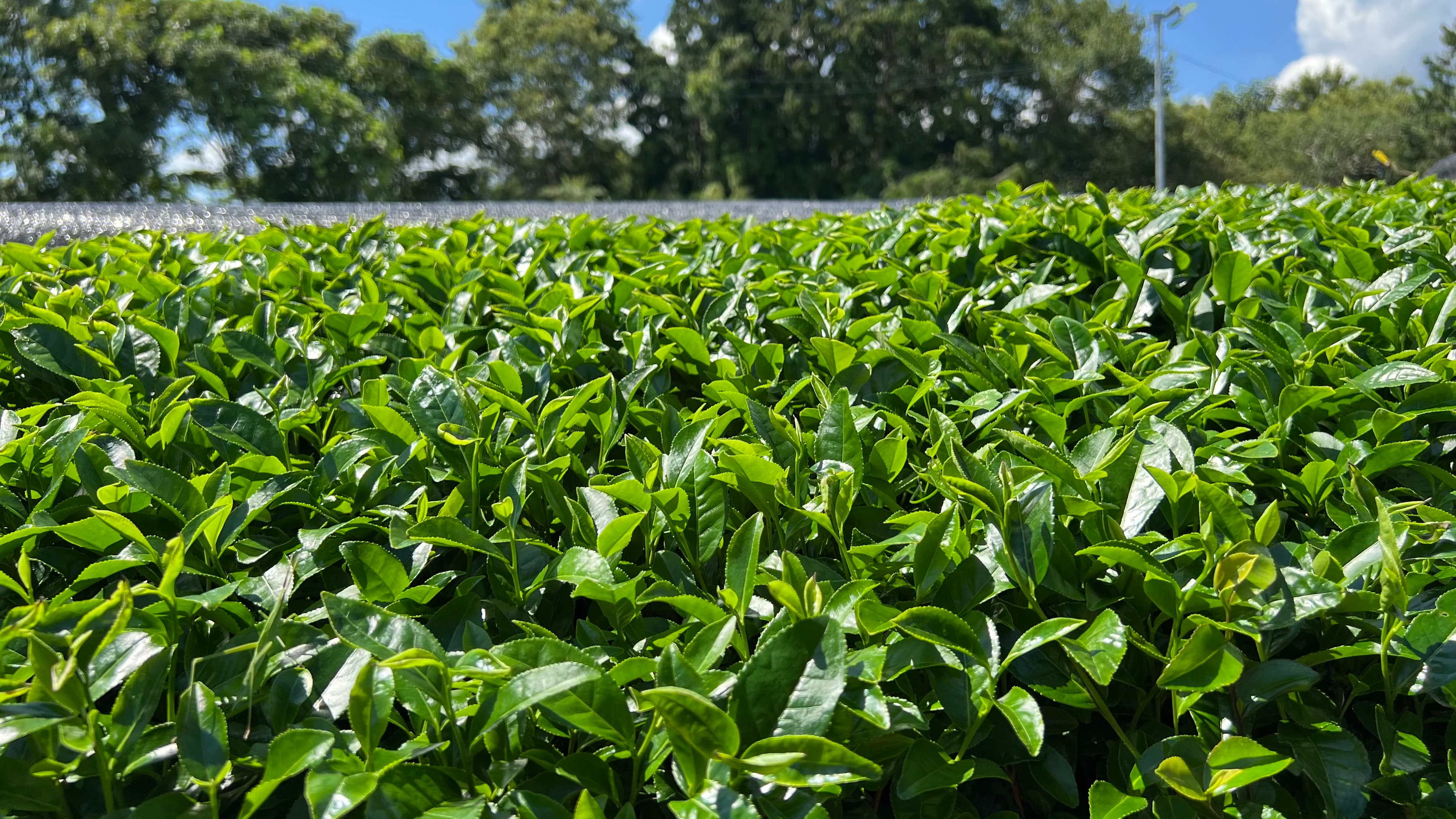
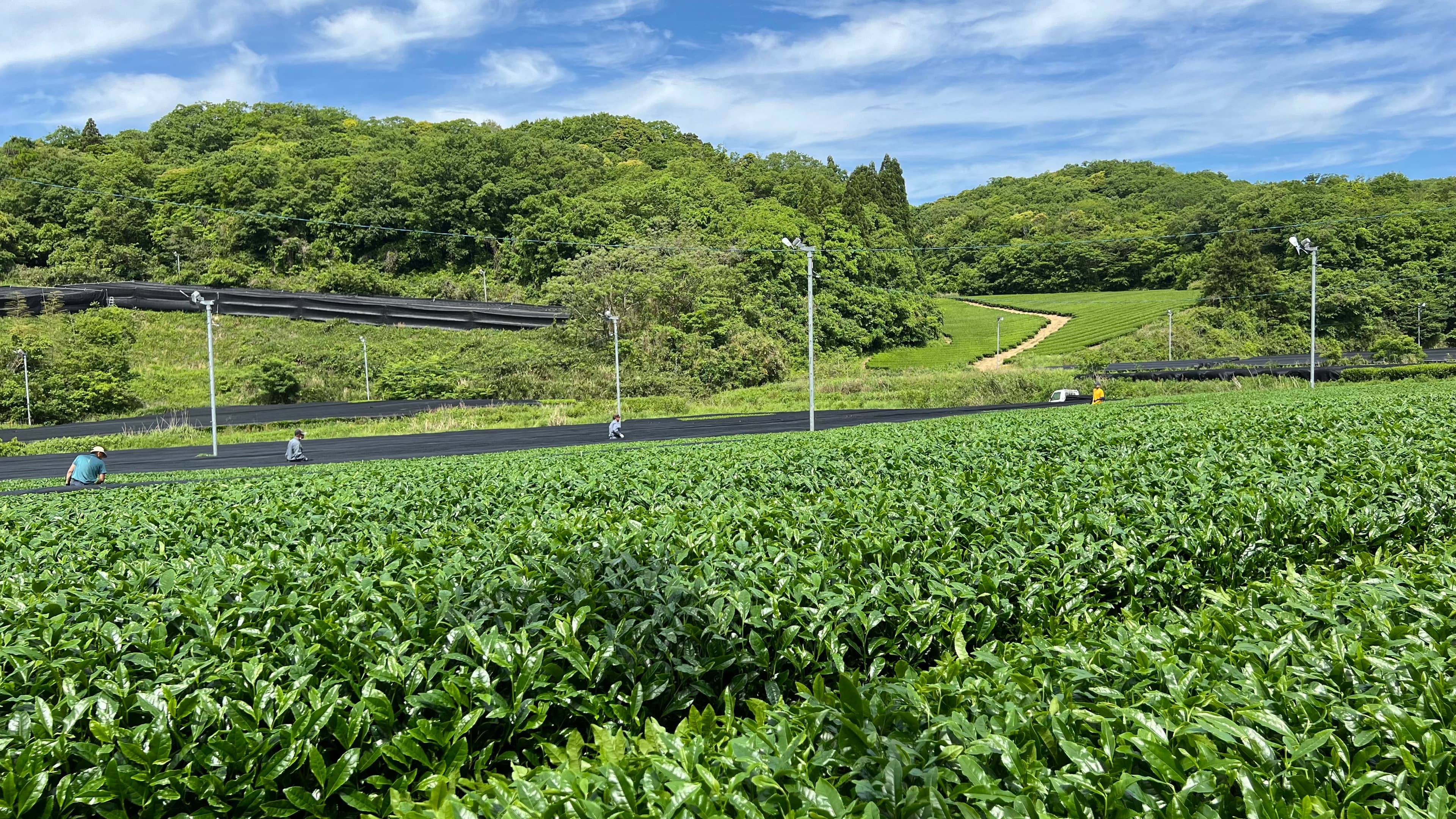
Close-up of tea leaves
A close-up of the leaf. That vivid green is part of what we look for when we speak of freshness and care.
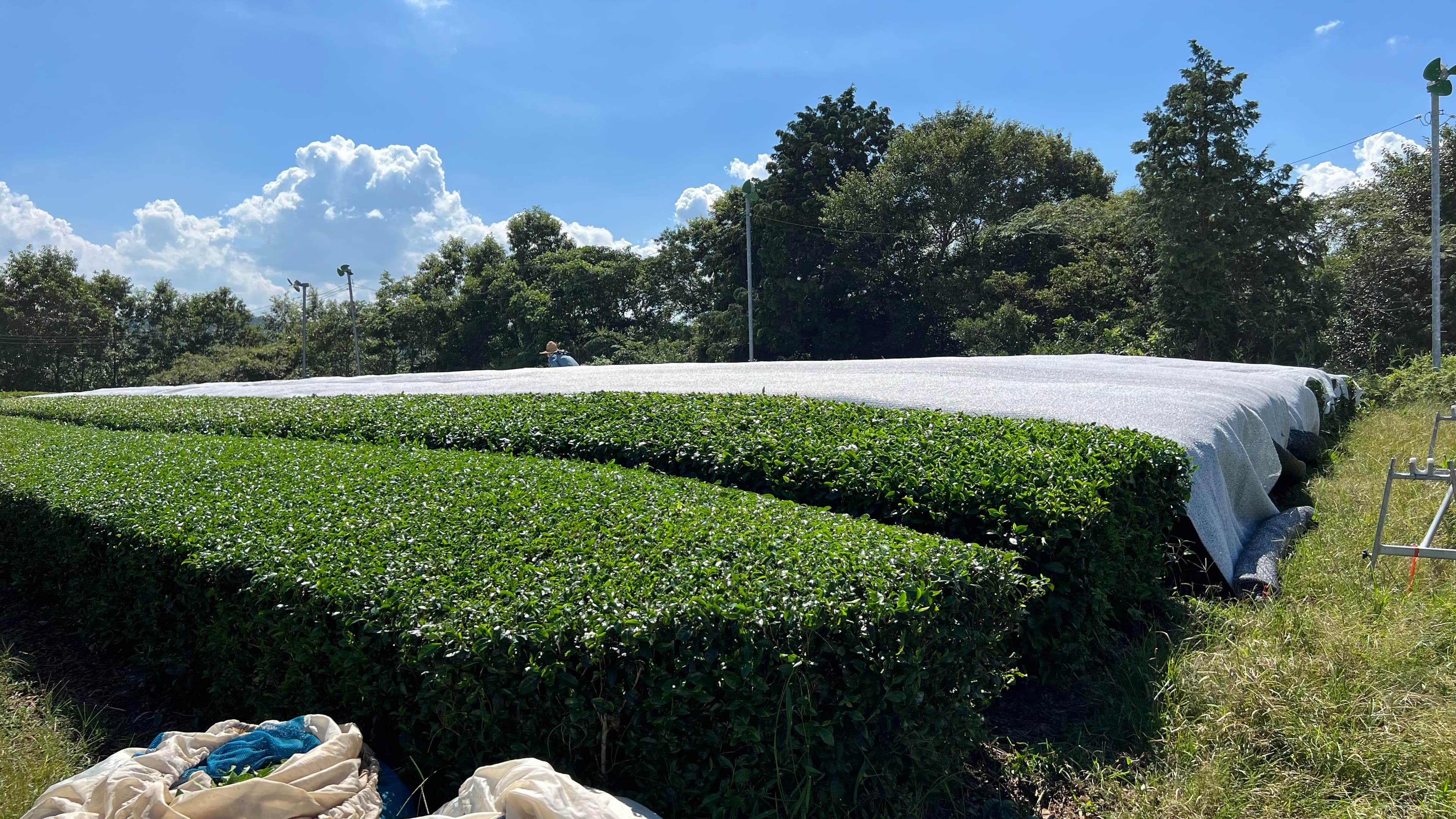
Covering the tea plants
Covering the tea helps regulate the light. A quiet gesture, but one that greatly changes the leaf’s final character.
Tea growing beneath a net
Beneath the net, the plant grows with less direct light. This control is part of the journey towards a softer, deeper profile.
Worker in a tea field
Human work remains present: observing the field, checking the crop and guiding each stage with care and judgement.
Processed tea leaves
The processed leaf begins to look less like the field and more like the matcha we know, but the fine milling is still to come.
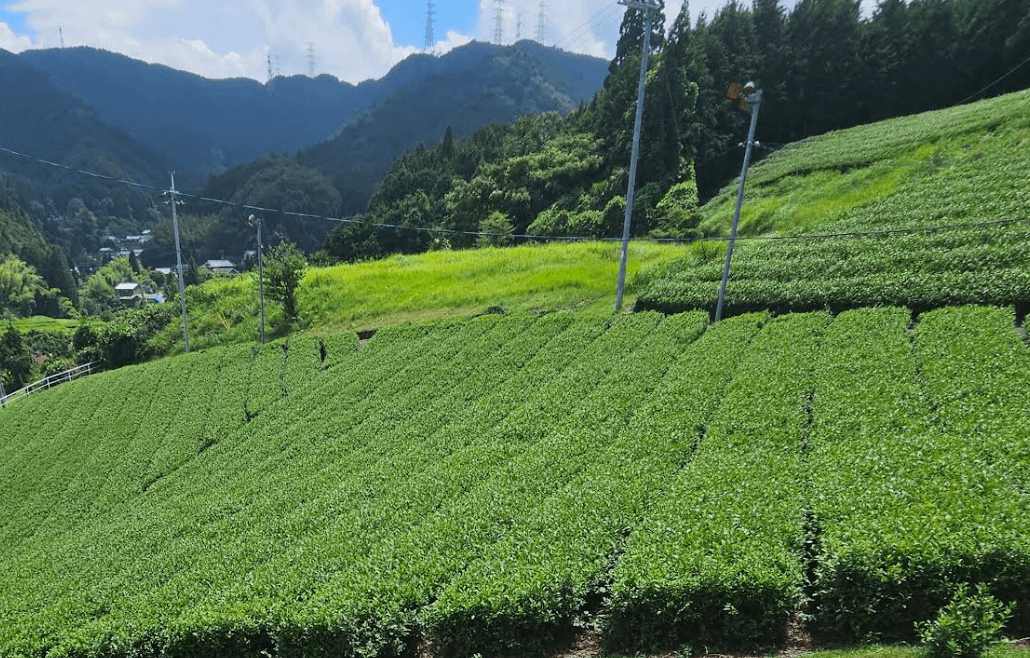
Detail of the tea field
Texture, order and green. Japan has a special way of turning care into visual beauty.
A view of the tea plantation
The lines of cultivation remind us that matcha is also a landscape: a peaceful geometry before it reaches the bowl.
Matcha field
A field that captures the idea of Hōju: origin, calm and a green beauty that invites you to look slowly.

Hōju Matcha

When you understand the origin, the ritual changes.

Preparing matcha after seeing its journey feels different. You are no longer just mixing a green powder: you are continuing a chain of small, precise and very human gestures.

That is the idea behind Hōju: to sell matcha, yes, but also to help people appreciate it with greater affection.