Japan
€37.50

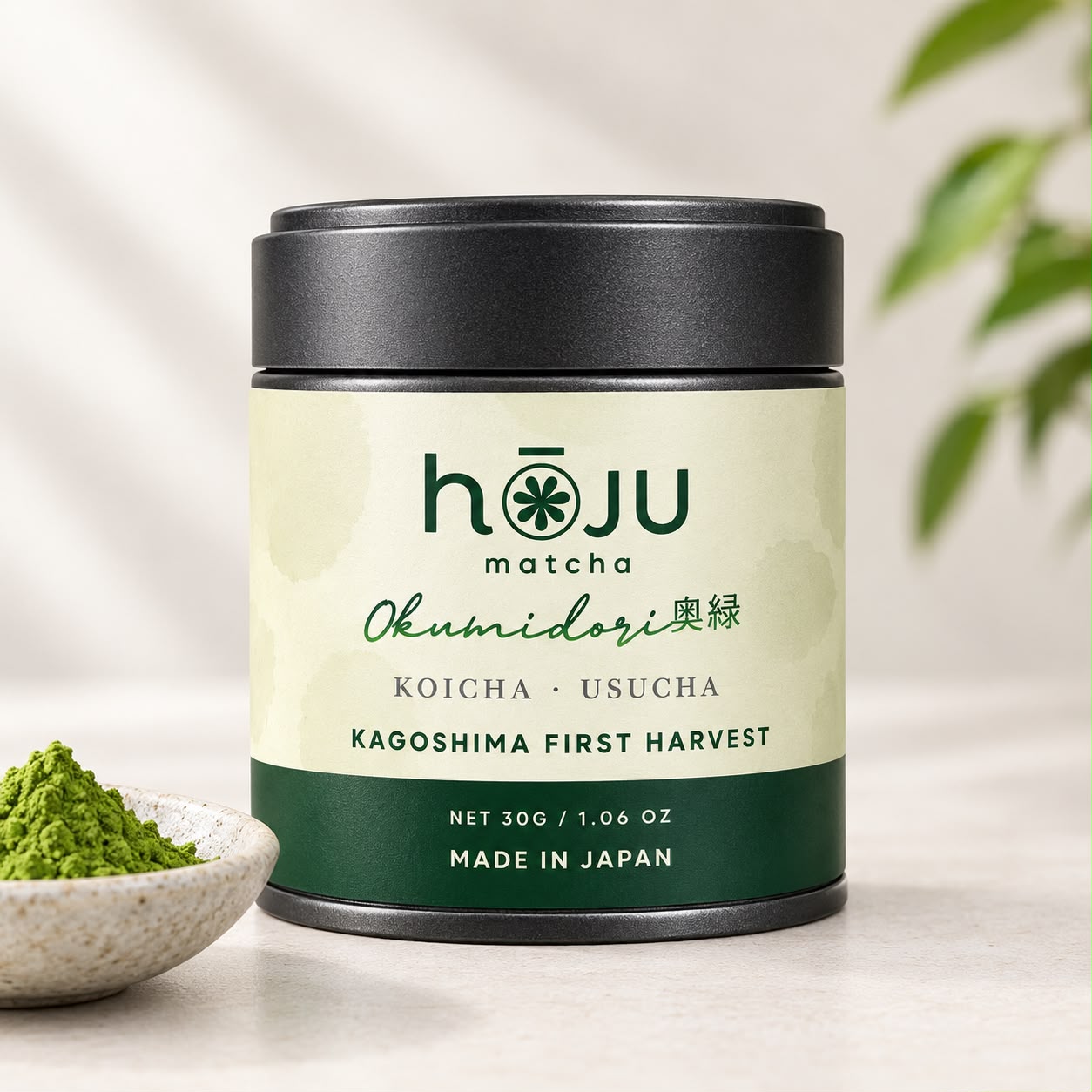
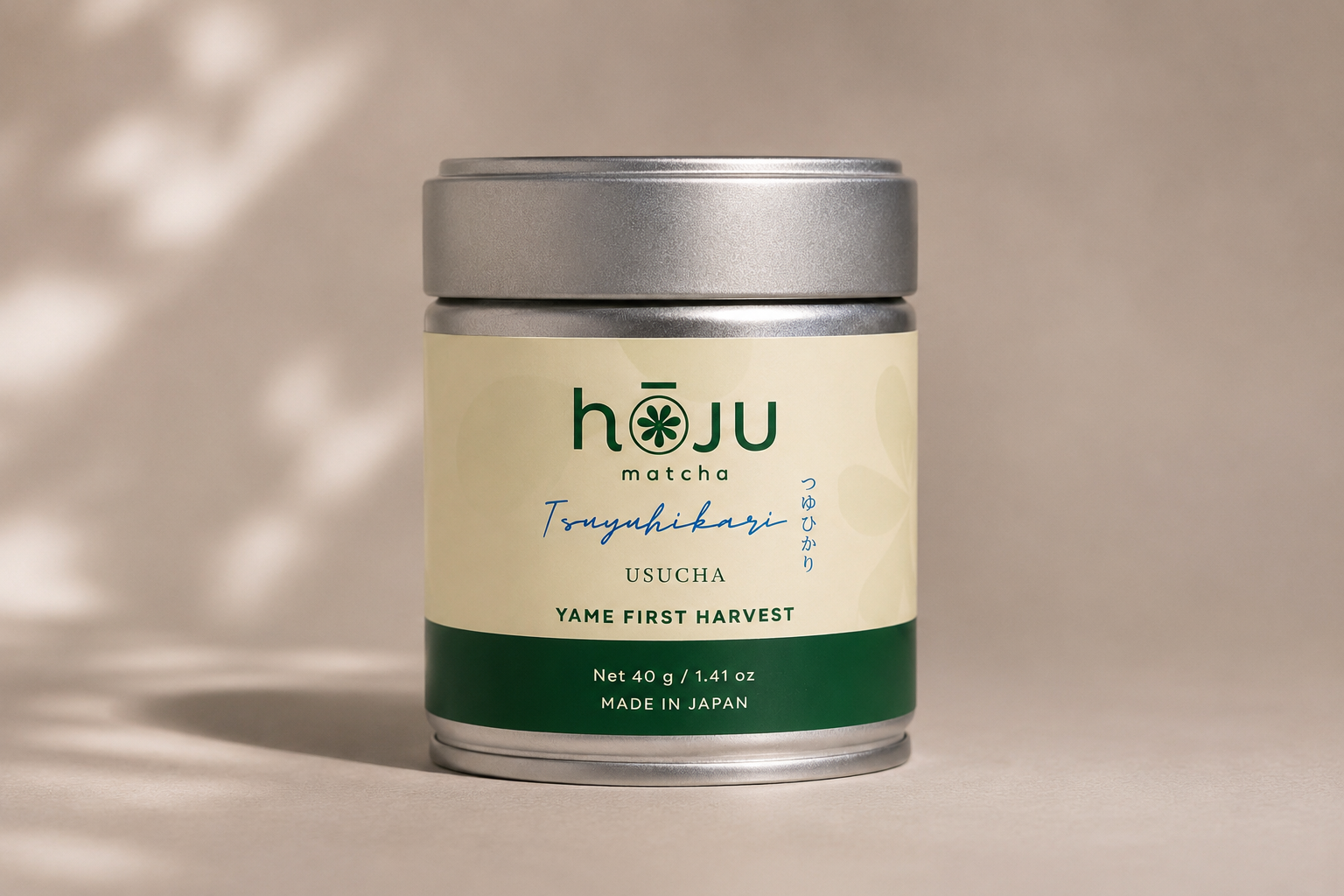
Japanese ceremonial matcha selected for its origin, cultivar and preparation. Discover profiles from Uji, Kyoto, and Kagoshima, and choose the matcha that suits the way you prepare it.

Purity · Balance · Tradition
Hōju selection
Japan
€37.50
Japan
€36.50
Origin
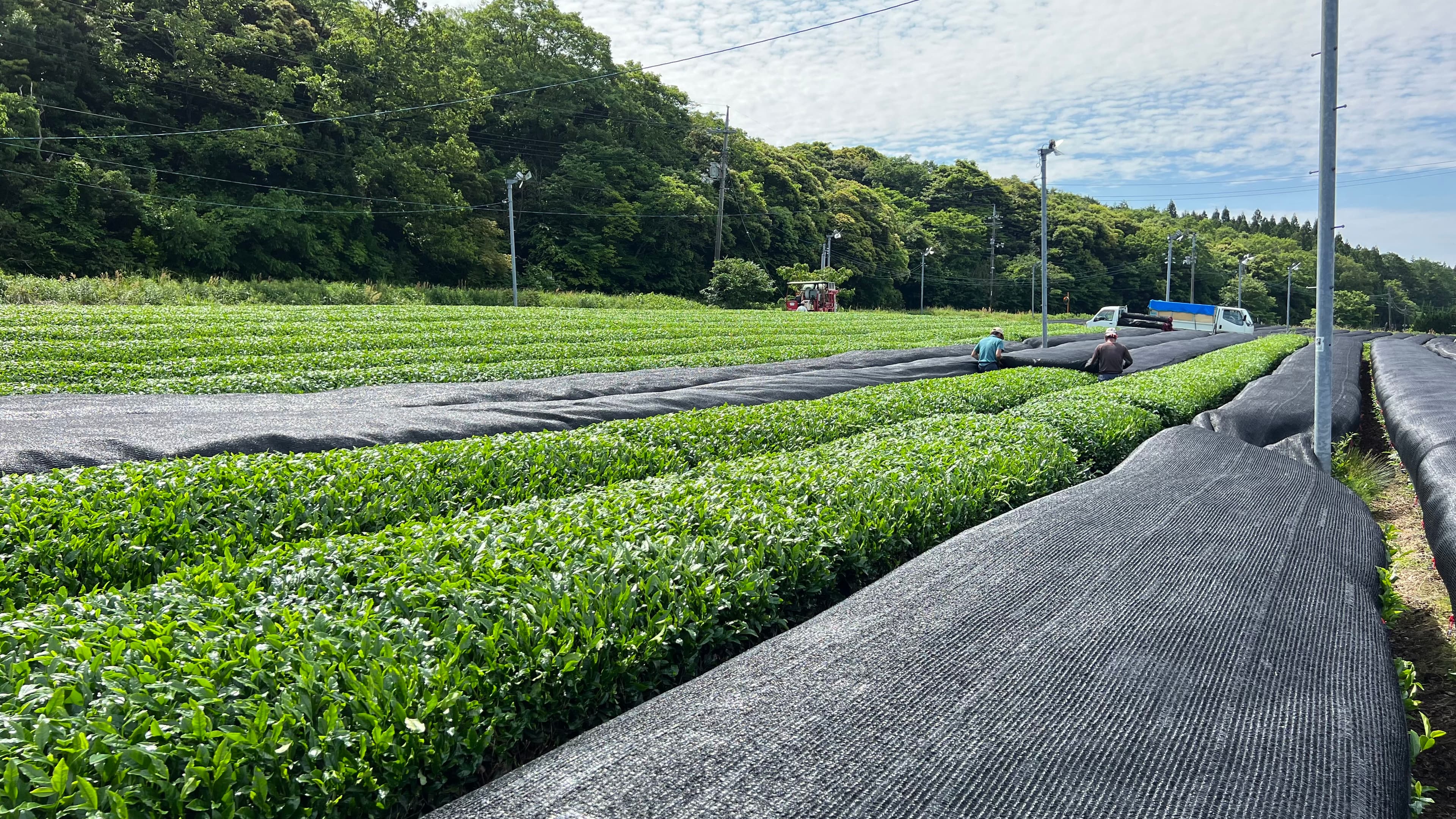
Hōju Matcha was created to present Japanese matcha in a clean, delicate and honest way. Behind every cup are cultivation, shade, harvest, tencha and milling.
On our origin page, we bring these images together to explore the process calmly, without turning it into a legend or a cold explanation.
Preparation
Preparing matcha need not be complicated. The key is to take care with the texture, temperature and whisking motion.
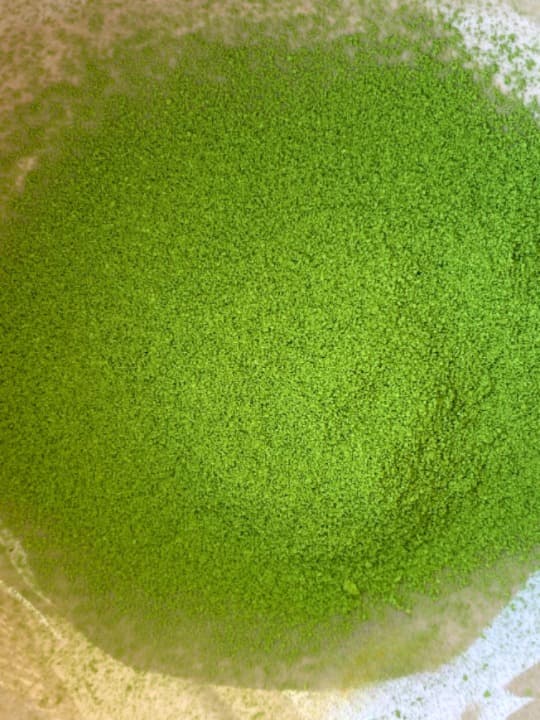

Sift the matcha before preparing it. This creates a finer texture and prevents lumps in the bowl.
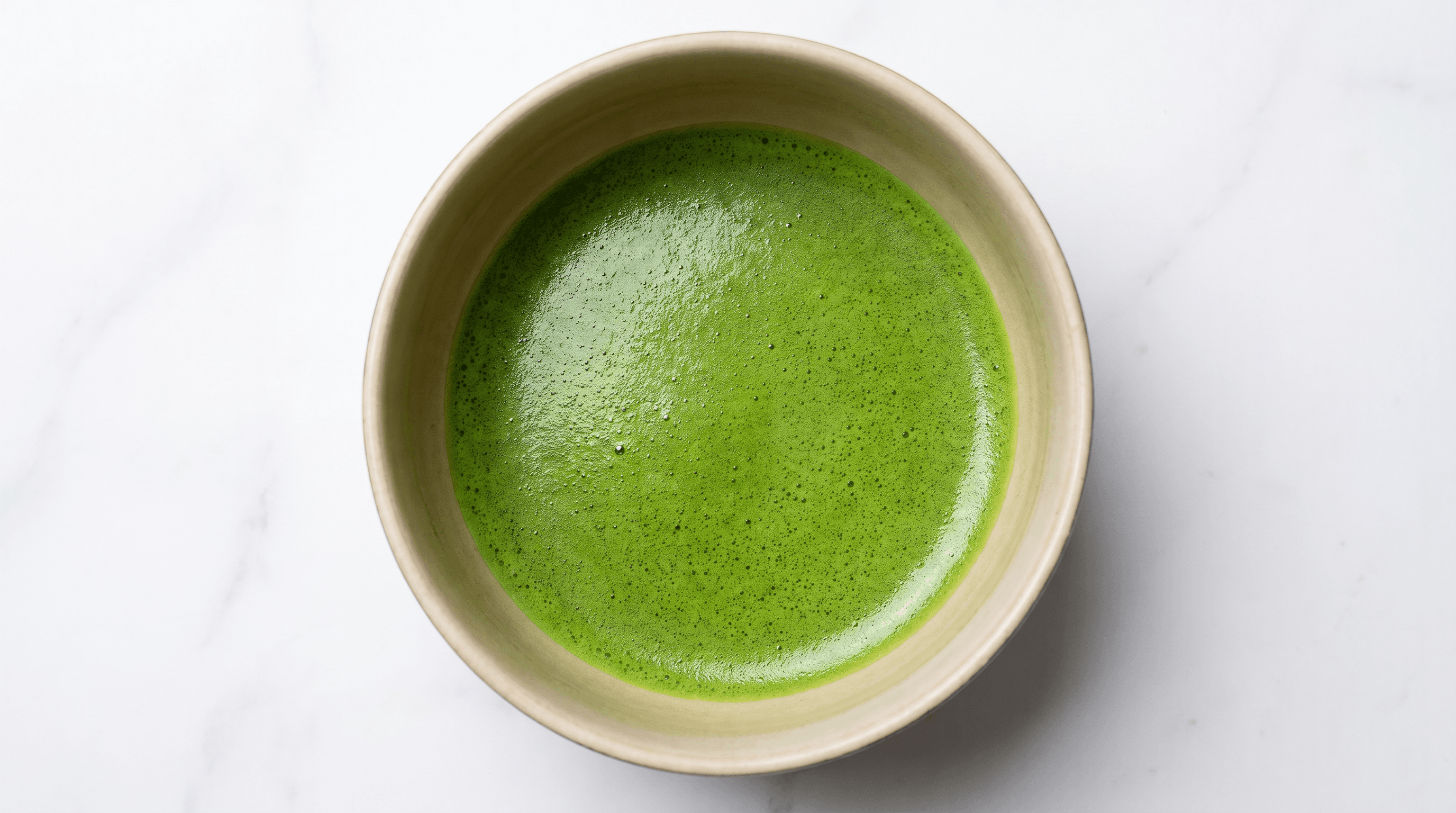

Use hot water, but not boiling water. A gentle temperature protects the colour, aroma and flavour.

Whisk briskly to create a light foam and an even texture
Hōju method
Each product indicates its intended preparation method.
Hōju experience
Whole leaf, in your cup: Con la mayoría de los tés, infusionas la hoja y la tiras. Con el matcha, bates la hoja entera, molida a piedra hasta convertirla en un polvo finísimo.
Prepare, whisk and enjoy matcha as a simple pause in your day.
Selecciono matcha de dos regiones de té de Japón: Yame, en Fukuoka, conocida por sus tés cultivados a la sombra, y Kagoshima, en el cálido sur.
Clarity and presence, with a gentler, more elegant way to start the day.
FAQ
Todo lo que necesitas saber para elegir tu matcha, prepararlo bien y disfrutar al máximo de cada taza.

Sí. Todos mis matchas quedan genial con leche o bebida vegetal, y su sabor se mantiene bien en un latte. Cada producto incluye instrucciones y medidas para que prepares tu matcha perfecto.
Question 1Usucha is a lighter, more fluid preparation. Koicha is thicker, more intense and ceremonial. Not every matcha is ideal for both preparations.
Question 2Sí. Una ración habitual (unos 2 g de matcha) tiene aproximadamente 60–70 mg de cafeína, una cantidad parecida a la de un espresso. El matcha también contiene de forma natural L-teanina, un aminoácido presente en el té, y por eso mucha gente describe su energía como más tranquila y progresiva que la del café. Si eres sensible a la cafeína, te recomendamos tomarlo por la mañana o a primera hora de la tarde.
Question 3We usually prepare orders within 1–2 working days. Estimated transit is 2–4 working days to mainland Spain and 3–6 to the Balearic Islands; the cost is calculated from your destination and cart before payment.
Question 4